
"optimal coffee amount"
400 article(s) found

Optimal extractor cleaning of pressed powder after Coffee extraction
The best state of pressed powder extractor cleaning after coffee extraction. Steaming: when making hand-brewed coffee, most people pay a lot of attention to the softness of the current and the freshness of the coffee powder. Steaming is also indispensable. Good steaming can fully infiltrate the coffee powder, activate the coffee activity, and form a good gap between the coffee particles, thus making the back.
The optimal extraction rate for a cup of coffee what are the normative guidelines for brewing coffee?
Professional coffee knowledge exchange more coffee bean information please pay attention to the coffee workshop (Wechat official account cafe_style) gold cup theory we already know that the main component of coffee grounds is cellulose, then coffee powder in the process of turning coffee grounds, about 30% of the substance will be dissolved by water. The dissolved coffee substance accounts for the weight of all coffee powder, which we call it.

Description of Flavor in Coffee extraction rate Formula introduction to the method of regional treatment for the characteristics of varieties
Lockhart published his research results with a coffee brewing control chart, showing in the form of a chart what the best coffee was in the minds of Americans at that time. Years later, the American Professional coffee Association (SCAA) confirmed that American tastes had not changed much. At least for Americans.

SCAA American Fine Coffee Association standard cup measuring coffee grind, medium light dark roast coffee brew
From the comparison table, determine the predetermined coffee brewing amount and set the upper and lower limits of coffee powder amount, how to reach the optimal extraction rate from 0~30% to 18~22%, and the coffee brewing concentration is just 1.2%~1.45%, just like how to throw a good shot. After brewing a cup of Gold Cup coffee, whether the above basic powder amount and brewing amount can achieve the optimal extraction rate of 18%~22% and the concentration at the same time

How will the capacity of the baking machine and the amount of baked beans affect the baking? How long does it take to bake coffee?
When you want to bake a batch of raw beans, will you consider the capacity of the baking machine and adjust the baking method? How much effort did you put into baking this batch of beans? Knowing the capacity of the bean roaster and how roasting affects coffee roasting will give you a better understanding of roasting, control the causes, and bake better beans. In this article, let's see how the capacity of the bean dryer and the amount of beans will affect the baking knot.
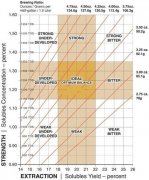
American boutique coffee association SCAA coffee brewing gold gouache ratio
The proportion of SCAA fine cup coffee defined by the Gold Cup Fine Coffee Association of the United States and the scae European Fine Coffee Association must be about 20% of the coffee extraction rate, while the TDS is about 1.1% to 1.3%. For Drip Filter dripping and brewing, how to extract the best coffee flavor is controlled by two variables: the extract of coffee powder and the concentration in a cup of coffee.

Fine coffee learning golden cup theory golden cup
For coffee, 50 years ago, the same thing applies, or classic, golden cup theory golden cup or e61, are like this. The core of the golden cup theory is the optimal extraction degree and the optimal coffee concentration. Theoretical and empirical data are necessary for coffee making; otherwise, each cup of coffee is filled with countless variables,

Coffee plantation of Erida Manor in Panama, which belongs to an active volcano.
Elida Natural Manor [name]: Alida Manor Sunshine (Elida Natural) [production area]: Pocket (Boquete) [Manor]: Alida Manor (Elida) [varieties]: Catuai 85%, Typica Bourbon 15%, Geisha (a small amount) Panamanian specialty coffee is classified and numbered in small batches, and small batches are designed to be of small capacity for optimization.
How does the sour and bitter in coffee come from?
Many thermal and chemical reactions take place during baking: decarbonation, dehydration of quinic acid, subdivision, isomerization, polymerization, and complex sugar reactions (caramelization).
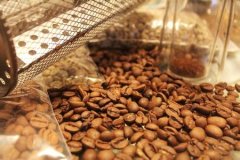
The basic chemical reaction that takes place during coffee roasting.
Basic chemical reactions that occur during coffee roasting author: Carl Staub originates from the SCAA baking color classification system, developed by Agtron SCAA 1995 original text from: http://www.sweetmarias.com/roast.carlstaub.html translation: Grant, http://www.baristacn.com/forum/thread-1583-1-1.html in the roasting process
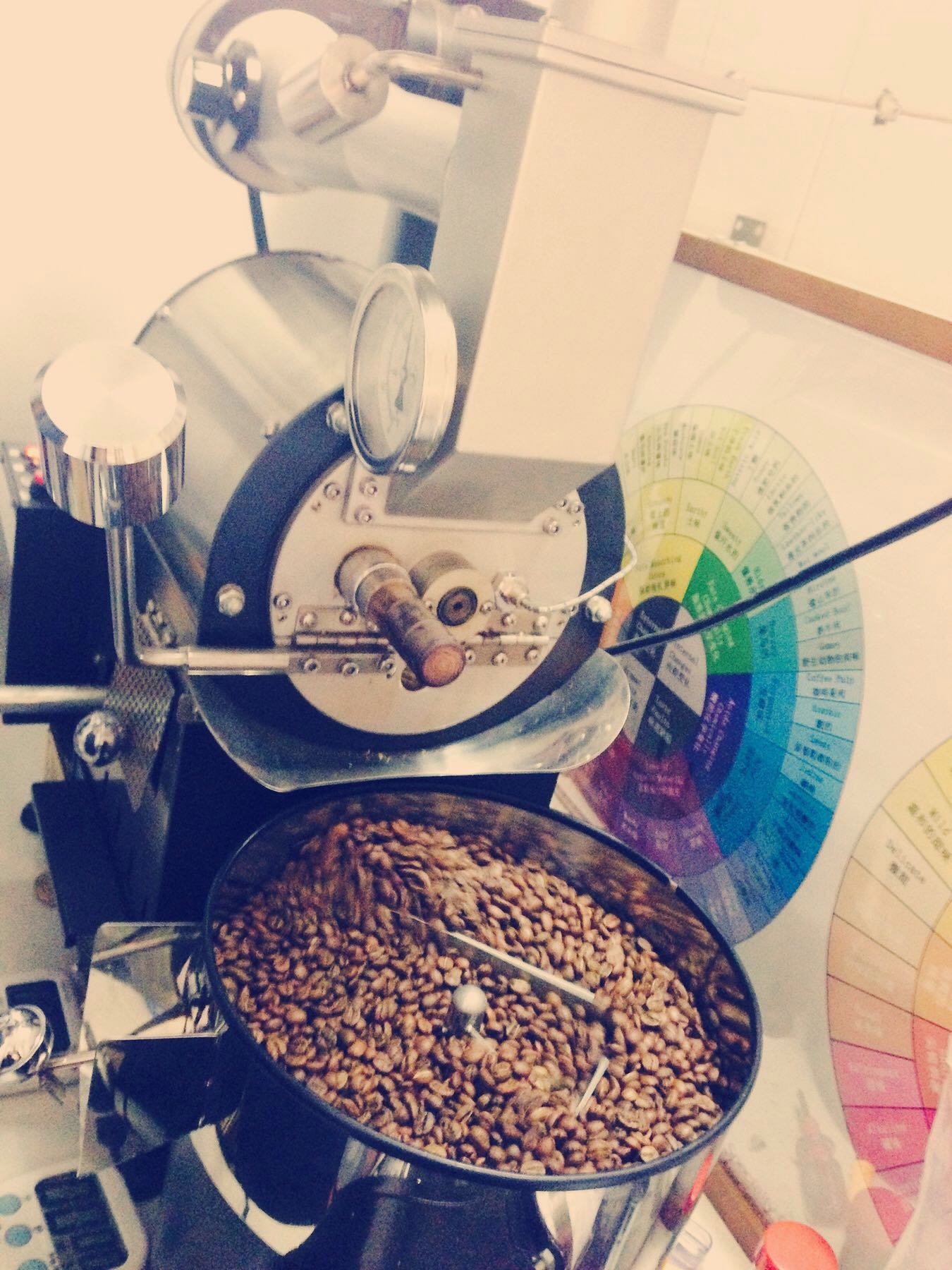
Key points of coffee roasting techniques: basic chemical reactions that take place during coffee roasting
Basic chemical reactions that occur during coffee roasting author: Carl Staub originates from the SCAA baking color classification system, developed by Agtron SCAA 1995 original text from: http://www.sweetmarias.com/roast.carlstaub.html translation: Grant, http://www.baristacn.com/forum/thread-1583-1-1.html in the roasting process
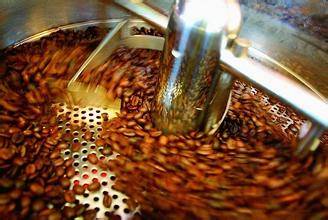
The basic chemical reaction that occurs during coffee roasting. The ingredients produced by the degree of coffee roasting.
Basic chemical reactions that occur during coffee roasting author: Carl Staub originates from the SCAA baking color classification system, developed by Agtron SCAA 1995 original text from: http://www.sweetmarias.com/roast.carlstaub.html translation: Grant, http://www.baristacn.com/forum/thread-1583-1-1.html in the roasting process

The basic Chemical reaction of Coffee Baking process
Original: Basic Chemical Reactions Occurring in the Roasting Process by Carl Staub sourced from the SCAA Roast Color Classification System developed by Agtron-SCAA in 1995 Many thermal and chemical reactions occur during the roasting proces

Conical filter paper drip brewing method Hand brewed coffee shop skills
Brewing apparatus first filter paper drip, filter cloth drip, siphon type, law pressure type and many other types in the market flow wide. DISCOVERY mainly provides coffee to customers with filter paper drippers. DISCOVERY uses a Kono conical drip made by Coffee Saifeng Co., Ltd. located in Tokyo, and adds some skills to the brewing method. Speaking of why Kono cones are used

How to minimize the waste of coffee? How to use coffee grounds in the waste of coffee
Professional coffee knowledge exchange more coffee bean information Please follow the third wave of coffee in coffee workshops (Wechat official account cafe_style). Apart from the excellent coffee itself, it is also ethical for the coffee industry. Boutique coffee focuses on tracing back to the source. We can help coffee-producing countries by buying every delicious cup of coffee. But it turns out that the process of growing coffee is not very thorough.
Basic chemical reactions in the roasting process of coffee in both Chinese and English
Original: Basic Chemical Reactions Occurring in the Roasting Process by Carl Staub sourced from the SCAA Roast Color Classification System developed by Agtron-SCAA in 1995 Many thermal and chemical reactions occur during the roasting proces
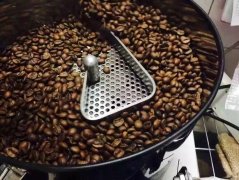
Explanation of the basic chemical reaction of coffee roasting in both Chinese and English
Original: Basic Chemical Reactions Occurring in the Roasting Process by Carl Staub sourced from the SCAA Roast Color Classification System developed by Agtron-SCAA in 1995 Many thermal and chemical reactions occur during the roasting proces
Basic chemical reactions that occur during coffee roasting
Many thermal and chemical reactions take place during baking: decarbonation, dehydration of quinic acid, fragmentation, isomerization, polymerization, and complex sugar reactions (caramelization). The main thermally reactive components are monosaccharides and sucrose, chlorogenic acid, displaced amino acids, and trigonelline amide. Both aravinone and calactose in polysaccharides are transferred, and basic sulfurization contains hydroxyamino acids.
The basic chemical reaction of coffee roasting process
Many thermal and chemical reactions take place during baking: decarbonation, dehydration of quinic acid, subdivision, isomerization, polymerization, and complex sugar reactions (caramelization). The main components of the thermal reaction are monosaccharides and sucrose, chlorogenic acid, free amino acids, and fenugreek amide. Both aravinose and calactose in the polysaccharides are transferred, and the basic vulcanization contains hydroxylated amino acid.

How many stages are there in coffee roasting on Starbucks' official website?
How many stages are there in coffee roasting on Starbucks' official website? Preheating stage: the bean roaster needs to be heated to a certain extent before baking, which will be different because of the bean roasting mechanism. It is necessary to fully heat the pot to a certain temperature before it can drop the beans. There is no certain criterion for this temperature. It depends on the degree of relationship between the bean roaster and the bean roaster to determine the steaming stage: when the bean is roasted, the coffee begins to be roasted.